
AI tools for resume optimization can speed up a side-hustle application, but they cannot manufacture relevant experience or guarantee that an employer will advance it. Their practical value is narrower: compare a resume with a specific listing, expose missing evidence, simplify formatting, and help you produce a truthful version for each opportunity.
The safest workflow keeps the applicant in control. Start from verified work history, use the tool to identify gaps, accept only suggestions that remain accurate, and read the final document as both a recruiter and a parsing system would.
Why Side-Hustle Resumes Need a Different Emphasis
A side-hustle listing may ask for a compact mix of availability, a specific tool, evidence of completed work, and the ability to deliver with limited supervision. A general corporate resume can bury those signals under unrelated responsibilities.
- Freelance projects: lead with relevant deliverables, clients, portfolio evidence, and outcomes.
- Part-time remote work: state schedule or time-zone fit only when the listing asks for it.
- Technical contracts: name the tools you actually used and connect them to a real result.
- Creative gigs: make the portfolio link easy to find and use the resume to explain your role.
Create one master record of your verified experience, then derive a shorter application for each role. That preserves consistency while avoiding the mistake of sending the same unfocused document everywhere.
How AI Resume Tools Analyze an Application
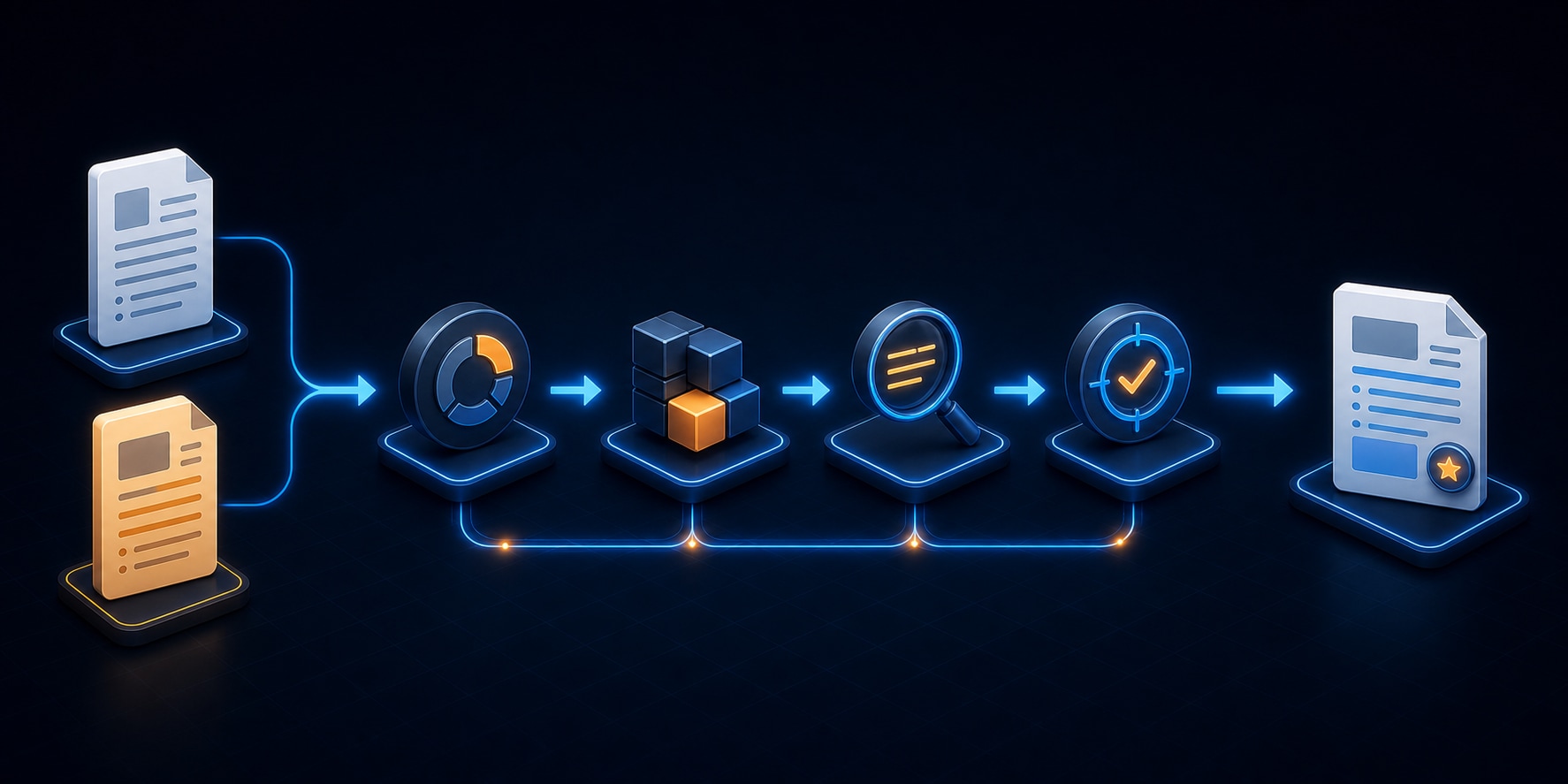
Most applicant-facing tools do not run your document through the employer’s actual hiring system. They inspect the resume, compare it with the job description, and apply their own checks. Jobscan, for example, says its scanner mimics how an applicant tracking system works and reports keyword and formatting suggestions. Treat that output as a diagnostic, not as proof that every employer’s system will rank the document the same way.
A useful analysis normally covers four areas:
- Relevance: whether the resume shows the skills and qualifications named in the listing.
- Structure: whether standard sections, dates, and contact details are easy to identify.
- Evidence: whether bullets explain actions, scope, and outcomes instead of listing duties alone.
- Readability: whether a human can scan the document without decoding jargon or a complicated layout.
A match score belongs to the vendor that calculated it. It is not a universal ATS grade, and raising it should never require adding a skill you do not have.
Build a Repeatable Optimization Workflow
Save the listing before you edit because job pages can change or disappear. Highlight its required skills, responsibilities, tools, location, and availability. Separate requirements from preferences, then map each important requirement to evidence in your work history.
- Copy the listing into a private working note.
- Remove irrelevant personal data before uploading material to a third-party tool.
- Scan a truthful master resume against the listing.
- Review each suggested term in context rather than copying a keyword list.
- Rewrite the strongest relevant bullets with specific evidence.
- Export a clean file and inspect the final PDF or document visually.
- Keep a copy labeled with the employer, role, and date.
Use AI for controlled revision, not one-click authorship. A generated bullet may sound polished while changing the scale, ownership, or result of the original work.
Compare Current Resume Tools by Job to Be Done

Features and pricing change, so choose a tool by the task you need today and confirm the current terms before uploading a resume.
- Jobscan: its official scanner compares a resume with a job description and reports missing skills, keywords, formatting issues, and section checks.
- Rezi: its official product summary describes an AI resume builder, keyword targeting, rewriting, ATS checks, and real-time formatting.
- Resume Worded: its help center explains that resume and LinkedIn scores combine differently weighted checks such as impact and word choice.
- Teal: its current product page groups a resume builder, job tracker, and browser extension, which can help applicants manage several tailored versions.
- Grammarly: its current Resume Builder guide describes structured resume drafting, phrasing suggestions, layout options, and paragraph-level review.
Do not assume that a higher subscription tier or a more detailed score is more accurate for your role. Test the workflow with one real listing, inspect the changes, and keep the tool only if it helps you produce more relevant and truthful applications.
Turn Duties Into Truthful Evidence
Generic bullets such as “responsible for social media” reveal little. A stronger bullet explains the action, the object, the scope, and a result you can defend. If the result was not measured, do not invent a percentage.
- Weak: Helped customers online.
- Stronger: Resolved customer questions across email and live chat, documented recurring issues, and escalated billing cases to the account owner.
- Weak: Managed websites.
- Stronger: Updated product pages in WordPress, checked links after each release, and maintained a weekly content-change log.
AI can propose clearer verbs or a tighter sequence, but you must supply the facts. Preserve the difference between assisting, owning, reviewing, and approving work.
Optimize for Parsing Without Keyword Stuffing

Use the wording from the listing when it accurately names your experience, especially for tools, certifications, and job-specific skills. Place those terms inside evidence-bearing bullets rather than an unexplained block of keywords. Jobscan’s own ATS guidance warns that an over-optimized resume can become unnatural and recommends adding only terms that reflect real skills.
Keep the structure conventional unless the employer requests another format:
- Use recognizable section headings such as Experience, Skills, Education, and Projects.
- Keep dates and role titles consistent.
- Avoid placing essential information only in graphics, decorative sidebars, headers, or footers.
- Follow the listing’s file-type instruction; if it gives none, confirm that the exported document remains selectable and readable.
- Read every line after export because layout changes can split bullets or hide content.
Adapt the Evidence to the Side Hustle
A creative freelancer may lead with selected work and client outcomes. A virtual assistant may emphasize scheduling, documentation, response quality, and confidentiality. A technical contractor may foreground tools, repositories, deployments, troubleshooting, and the boundaries of their access. An online tutor may focus on subjects taught, learner level, lesson formats, and verifiable qualifications.
The resume should answer the listing’s real risk: can this person perform the work reliably? Remove unrelated early-career detail when it pushes the strongest evidence below the first page, but keep enough context to make dates and progression understandable.
If you are building a broader AI-assisted service, HostStage’s guide to starting an AI content agency shows why human review, fact-checking, and brand alignment still matter after automation.
Keep Human Review at the Final Gate
Read the finished resume aloud and compare every claim with the master record. Check names, dates, qualifications, tools, employment type, and outcome figures. Remove generated language that exaggerates ownership or introduces a technology you did not use.
Automated hiring systems can also raise fairness and accessibility concerns. The U.S. Equal Employment Opportunity Commission notes that hiring technology may screen resumes for keywords or experience and that existing anti-discrimination protections still apply. Applicants should use optimization to clarify evidence, not to reverse-engineer protected traits or participate in deceptive screening tactics.
Protect Personal Data Before You Upload
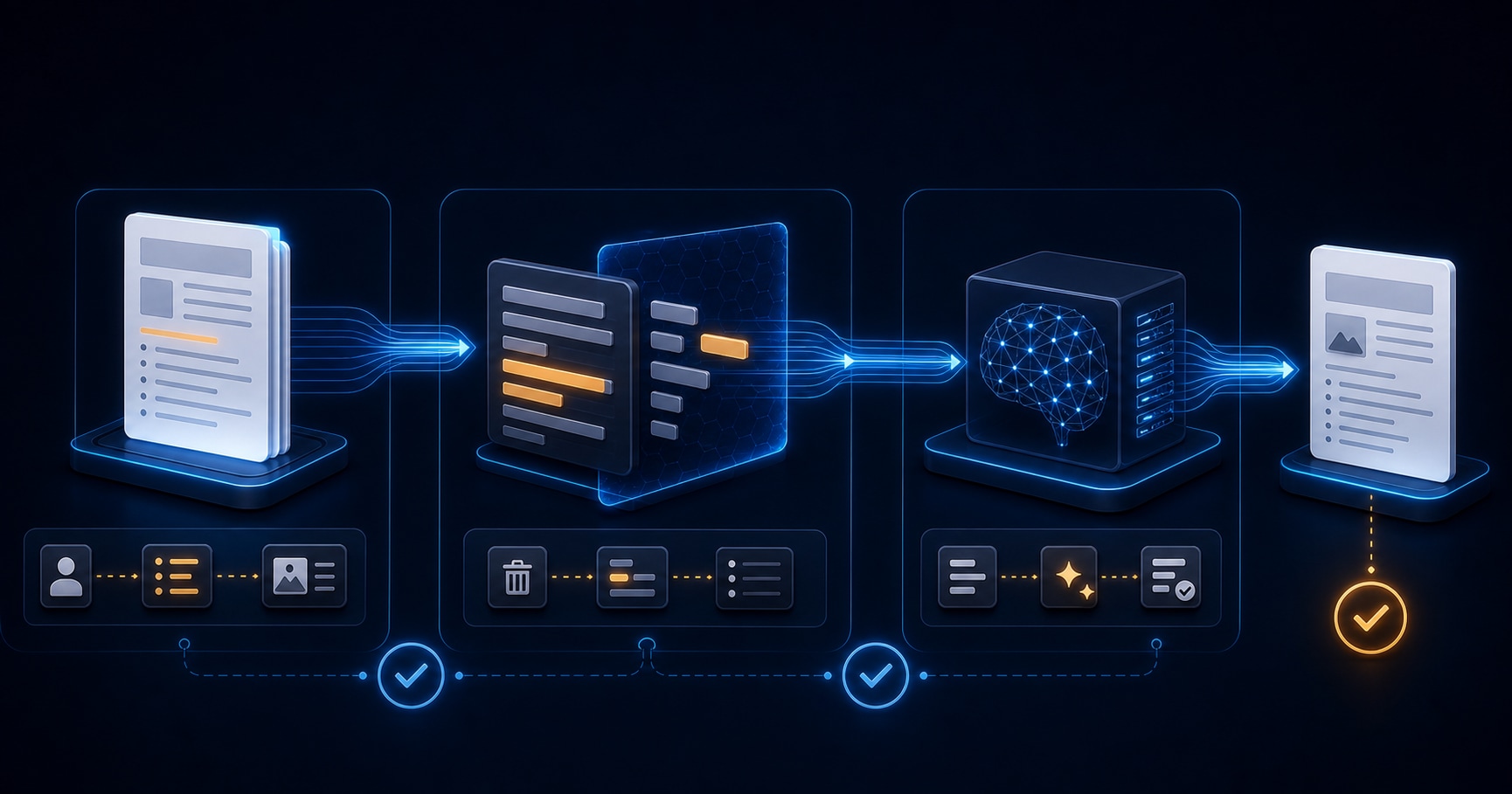
A resume can contain an address, phone number, email address, work history, education, and links to personal profiles. Before sending it to an AI service, read the provider’s current privacy notice and retention controls. Use a copy that omits irrelevant sensitive details, and do not upload confidential client information, internal documents, government identifiers, or references’ private contact information.
The UK Information Commissioner’s Office has specifically told organizations using AI in recruitment to minimize personal information and explain how it will be used. That guidance is written for recruiters and providers, but the same principle gives applicants a useful question: does the tool need this field to perform the requested check?
Support the Resume With a Simple Portfolio
For project-based side hustles, the resume often works best as an index to stronger evidence: case studies, before-and-after examples, code samples, testimonials you are allowed to publish, or a concise service page. Keep the link stable, mobile-friendly, and easy to verify.
If you need a small portfolio site, HostStage’s current shared web hosting plans list cPanel, NVMe storage, dedicated resources, SSL, and nightly backups. At the time of this review, Business Hosting lists 15 GB NVMe storage, 4 GB DDR4 ECC RAM, 20 add-on domains, and 50 subdomains from $5.95 per month; check the live plan page before buying because specifications and pricing can change.
Final Application Checklist
- The title and opening summary fit the specific role.
- Every named skill is supported by truthful experience or a clearly labeled project.
- Important terms from the listing appear naturally.
- Dates, contact details, and links are current.
- The document uses simple headings and readable formatting.
- No confidential or unnecessary personal data was uploaded.
- The final file was opened and visually checked after export.
- A human approved every AI-assisted change.
The goal is not to outsmart a score. It is to make a truthful, relevant record easy for software to parse and easy for a person to trust.
FAQ
Can an AI resume tool guarantee that I pass an ATS?
No. Applicant-facing tools apply their own checks or simulate parts of parsing and matching. Employers use different systems and workflows, and a recruiter may review factors that a scanner cannot see.
Should I add every keyword the scanner recommends?
No. Add a term only when it accurately describes your experience, then support it with context. Keyword stuffing can reduce readability and credibility.
Do I need a different resume for every side hustle?
Keep one verified master record and create a focused version for each distinct role. Closely related listings may use the same base, but the strongest evidence should match the current opportunity.
What should I remove before uploading a resume?
Remove information the tool does not need, including confidential client material, government identifiers, private references, and sensitive personal details unrelated to the application.
Can AI write my achievement figures?
No. Use only measurements you recorded and can explain. When no reliable figure exists, describe the scope, action, and result without inventing a percentage.