
The best web hosting for affiliate marketing in 2026 is the one that keeps your money pages fast, online, and free of the resource limits that quietly kill conversions. Affiliate marketing is one of the most accessible ways to earn online — but you are usually competing against dozens of other affiliates for the same offer, and a site that loads a second slower or blips offline during a launch hands that click to someone else. This guide breaks down what to look for, compares the hosts worth your money, and — because the search results mix them together — clears up the difference between hosting for your affiliate site and joining a hosting affiliate program to earn commissions.
Why Hosting Matters in Affiliate Marketing
When you run an affiliate site, every visitor counts. You’re often competing against dozens—or hundreds—of other affiliates promoting the same offers. If your site loads even a little slower or goes offline for a few minutes during peak traffic, you could lose your chance at a conversion.
Speed isn’t just about user experience either—it’s tied directly to your search engine rankings. Google considers page speed a ranking factor, especially on mobile. If your host isn’t optimized for performance, it’s hurting both your SEO and your bottom line.
Downtime is another killer. Hosting that lacks proper uptime guarantees can lead to hours of lost revenue during a campaign. It’s not just an inconvenience—it’s a direct hit to your affiliate earnings.
Plus, affiliate marketers often rely on third-party tools, tracking scripts, redirects, and cloaking plugins to manage their links and campaigns. If your host limits what you can install or how resources are used, your setup might not even work properly.
In short: your host isn’t just a background service. It’s part of your business model. Get it right, and you’ve built a strong foundation. Get it wrong, and everything else—no matter how well-optimized—suffers.
Provider Comparison at a Glance
The write-ups above go deep; here is the same shortlist side by side so you can match a host to your situation in one pass. “Starting price” is the entry plan most affiliates actually begin on, and “affiliate-site fit” reflects real-world suitability for tracking scripts, multiple domains, and traffic spikes — not just headline specs.
| Provider | Best For | Speed / Uptime | Starting Price | Affiliate-Site Fit |
|---|---|---|---|---|
| HostStage | Multi-site affiliates who want root access & scaling | LiteSpeed + NVMe; 99.9%+ uptime | $3.95/mo shared; $67.45/mo Managed VPS L3 | Excellent — isolated resources, no plugin/cron limits |
| SiteGround | WordPress bloggers who want hand-holding | Managed caching; strong uptime | ~$3.99/mo (renews high) | Good — easy, but pricier at scale |
| A2 Hosting | Single-offer landing pages needing raw speed | Turbo (LiteSpeed) + NVMe | ~$2.99/mo (Turbo costs more) | Good — fast, developer-friendly |
| Bluehost | Beginners who want it to “just work” | Adequate on basic plans | ~$2.95/mo | Fair — fine for low/moderate traffic |
| InMotion Hosting | Business affiliates scaling to VPS | High-speed infra; solid uptime | ~$2.99/mo shared; VPS higher | Good — strong multi-site & support |
Competitor prices above are indicative entry rates and renew higher — always check the current renewal, not just the promo price, since (as any affiliate knows) the first-term discount is rarely the number you pay long term. HostStage prices are current 2026 monthly rates. If speed is your deciding factor, it is worth understanding the fastest hosting for SEO before you commit, because the same NVMe-and-LiteSpeed traits that rank a site also convert it.
Benefits of Good Hosting for Affiliate Sites
You’ll see a lot of hosts advertising technical features like SSD storage or free SSL. But what really matters to affiliate marketers are the outcomes—how those features translate into results.
- Faster Load Times = Higher Conversions
Numerous studies show: the faster your site loads, the more people stay. On a slow site, users bounce before they ever see your content or links. Hosting with LiteSpeed or built-in caching can reduce load times dramatically and help boost your click-through rates. - Uptime = Revenue Protection
Every second your site is offline is a second you’re not earning. High-quality hosting providers offer 99.9% or higher uptime guarantees, often supported by status monitoring and fast response teams. That means more reliability when it counts—like during a product launch or sale. - Easy Scaling = Smooth Campaign Launches
A successful affiliate campaign can send your traffic through the roof. If your server can’t handle it, you risk slowdowns or even crashes. Good hosting solutions let you scale resources (like CPU, RAM, or bandwidth) as needed—without migrating or rebuilding your site. - Security = Protected Links and Data
Affiliate links are prime targets for hijacking or redirection by malware. And if your site gets infected, it can be blacklisted by Google or affiliate networks. A secure hosting environment protects your assets with firewalls, malware scanning, and automated backups—so your reputation and income stay intact. - SEO-Readiness = Better Rankings, More Clicks
Search engines reward fast, mobile-friendly, and secure websites. Many top hosts include CDN integration, image optimization, and SEO tools that help you meet Core Web Vitals standards. The result? Higher visibility and more affiliate traffic from organic search. - Tool Compatibility = Seamless Marketing
From email marketing platforms to heatmaps and analytics, affiliate marketers use a stack of tools to optimize performance. You need a host that’s compatible with everything—without limiting cron jobs, blocking outbound emails, or choking resource-heavy plugins. Smooth integration is essential when hosting affiliate marketing tools like link trackers, CRMs, and analytics plugins.
That’s why finding the best web hosting for affiliate marketing means focusing on real-world performance benefits—not just flashy features.
Best Web Hosting Providers for Affiliate Marketing
Below are top contenders for the best web hosting for affiliate marketing, each offering a unique blend of performance, pricing, and scalability. Your ideal host will depend on your goals, experience, and budget.
HostStage (Internet Marketers Leader )
Built by marketers for marketers, HostStage offers powerful LiteSpeed hosting with full SSD storage, root access, and optional managed support. Designed for performance and scalability, it’s a strong choice for affiliates who run high-traffic landing pages or manage multiple projects across domains (or several websites)
Simply browse around, you’ll feel at home.
SiteGround
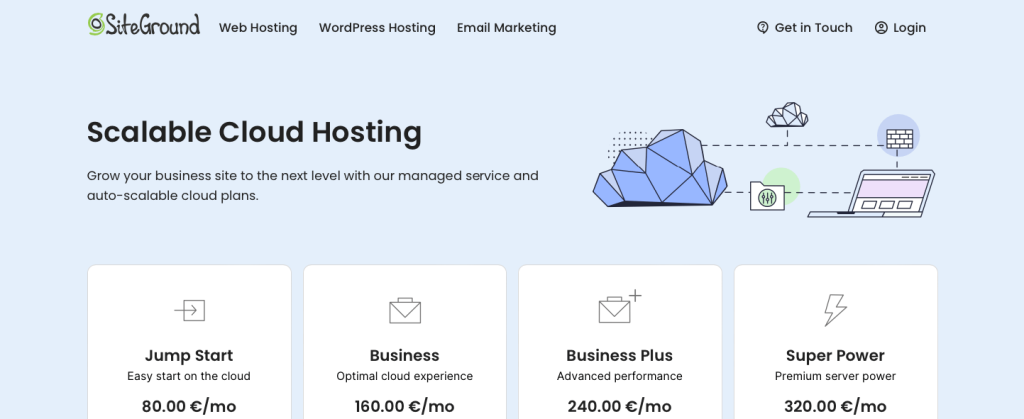
Known for outstanding customer support and excellent performance, SiteGround is a favorite among affiliate bloggers and WordPress users. They offer managed services, daily backups, and advanced caching out of the box. While their renewal prices can be high, their reliability and ease of use make them worth it for many.
A2 Hosting
A2 stands out for speed. Their Turbo plans use advanced caching and NVMe storage, which is great for landing pages and single-product campaigns that rely on quick page loads. They also have a reputation for developer-friendly features and responsive support.
Bluehost

As an officially recommended host by WordPress, Bluehost is user-friendly and offers a smooth setup process. It’s good for affiliates who just want something that works without diving into server settings. While performance can lag on basic plans, it’s more than enough for low to moderate traffic sites.
InMotion Hosting
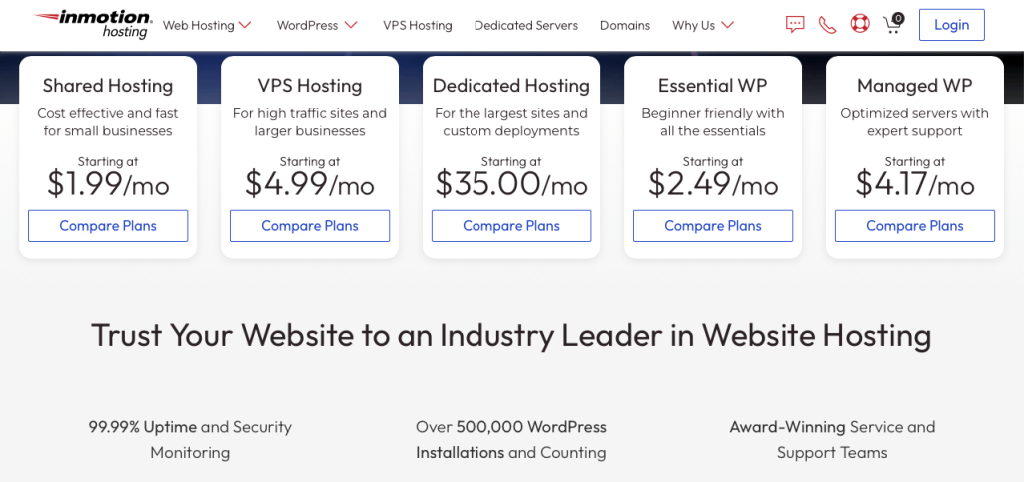
A strong choice for business-focused affiliates. InMotion’s VPS and managed plans include marketing tool integrations, high-speed infrastructure, and multi-site support. Their support team is also known for being helpful and technically competent, which is useful as your setup grows more complex.
Which Hosting Type Is Best for Affiliates?

Not all hosting is equal—and not every affiliate needs the same level of resources. Here’s how to choose the right hosting type based on your situation.
Shared Hosting
This is the most affordable option, and it’s fine for beginners with small sites. But shared servers come with limitations: fewer resources, slower speeds, and a higher risk of your site being affected by “noisy neighbors.” Good for testing ideas or building your first affiliate blog, but not ideal long term.
VPS Hosting
Virtual Private Servers offer dedicated slices of server resources, giving you more control and better performance. You can host multiple domains, use custom tracking scripts, and handle moderate traffic spikes without slowing down. VPS is a smart choice for affiliate marketers running several niche sites or using advanced tools. It’s especially effective when you’re hosting affiliate marketing websites that need consistent speed and control.
Cloud Hosting
Highly scalable and perfect for traffic that fluctuates (e.g., campaign launches or seasonal trends). With cloud hosting, you pay for what you use and can scale up or down as needed. It’s ideal for affiliates running complex sites or managing traffic from multiple sources.
Managed WordPress Hosting
Perfect for non-technical users who rely on WordPress. Managed hosts handle updates, backups, caching, and security for you. This keeps your site fast and safe with minimal effort. It’s more expensive than shared hosting, but the performance boost can be well worth it for serious marketers.
The type of hosting you choose should match your traffic volume, toolset, and technical comfort level. Don’t overspend too early, but don’t cheap out once your traffic and earnings start to grow. VPS and cloud options often provide the best hosting for affiliate marketing thanks to their speed, resource isolation, and flexibility.
Smart Hosting Tips for Affiliate Marketers
Choosing the right hosting is just the start—how you use it also matters. These tips will help you maximize your results:
- Set up automated backups: Affiliate content is valuable. Back up your site at least once a day—especially before installing new plugins or making theme changes.
- Monitor uptime and performance: Use tools like UptimeRobot and GTmetrix to ensure your site stays online and loads quickly.
- Optimize images and scripts: Heavy media files can slow your site. Use image compression and lazy loading plugins, and minimize third-party scripts.
- Use a CDN: A content delivery network improves global load times and reduces strain on your origin server.
- Check for outbound email support: If you’re running email campaigns or contact forms, make sure your host allows reliable email sending via SMTP or a transactional email service.
- Know your limits: Watch for CPU throttling or memory caps, especially on shared plans. These can quietly kill your site during busy periods.
The best hosting for affiliate marketing will give you the freedom to scale and experiment without worrying about technical restrictions. Most importantly, think like a marketer—not just a site owner. Every performance tweak is a chance to improve user experience and increase conversions.
Conclusion
Your website is the core of your affiliate business, and hosting is what keeps that core running. A slow, unreliable, or restrictive hosting plan doesn’t just create technical issues—it directly affects your conversions, search visibility, and revenue potential.
To stay ahead of the competition, you need the best web hosting for affiliate marketing—reliable, secure, and optimized for speed. Whether you’re launching your first site or managing a fleet of niche projects, investing in the right hosting gives you an edge—faster pages, more uptime, and the freedom to grow.
Treat hosting like what it is: an asset that enables everything else to work better. Choose a provider that supports your goals, not just your current site.
Hosting FOR Your Affiliate Site vs Hosting Affiliate PROGRAMS

Search “hosting” and “affiliate” together and you actually get two very different crowds, so let us be clear about which is which — it saves you reading the wrong guide.
Hosting FOR your affiliate site — the whole point of this article — is about the server that runs your review pages, comparison tables, and money links. Here the job is speed, uptime, resource isolation, and tool compatibility, exactly as covered above. If you are building or moving an affiliate site, this is your lane, and it ties directly into how hosting affects your SEO.
Hosting affiliate PROGRAMS are the opposite direction: you promote a hosting company and earn a commission each time a reader signs up. Because hosting has high lifetime value, these programs pay well — flat bounties commonly run $50-$150+ per sale, and some pay recurring commissions or let you choose a hybrid (small upfront + monthly) model instead of a one-time payout. Hosting is, in fact, one of the most lucrative affiliate niches precisely because the payouts and cookie windows are generous.
If it is the earning side you came for, the move is simple: pick programs whose product you would genuinely recommend, prioritise recurring or high flat commissions, and check the cookie duration and payout threshold before you commit. Everything else in this guide, though, is about the first intent — the hosting that carries your affiliate site.
A Hosting Plan That Supports Your Affiliate Goals
At HostStage, we know affiliate marketers need fast, secure, and scalable hosting to stay ahead. That’s why our Managed Linux VPS Level 3 plan is a strong fit—with 4 CPU cores, 4 GB RAM, 100 GB SSD storage, free cPanel, and advanced security features, all supported by 24/7 priority support.
It’s a reliable solution for running high-traffic affiliate sites and managing multiple campaigns efficiently. Host your affiliate success with HostStage.
Frequently Asked Questions
What is the best web hosting for affiliate marketing?
Can I use shared hosting for an affiliate site?
What is the difference between hosting for affiliate sites and hosting affiliate programs?
Which hosting affiliate program pays the best commissions?
Does hosting speed really affect affiliate earnings?