TL;DR: The Platform Decision Framework
Stop trying to find “the best” platform. There isn’t one. Twitch owns the largest concurrent gaming audience. YouTube owns discoverability and long-tail revenue. Kick owns payout percentage. TikTok Live owns short-form reach. The right answer depends on your content type, audience size, and how you plan to make money. Here’s the framework we use when advising streamers on our infrastructure:
| If you are… | Start with | Why |
|---|---|---|
| A new gaming streamer with 0 followers | Kick + TikTok Live | Kick’s 95/5 split means every sub counts more; TikTok’s algorithm surfaces small creators |
| An established gamer (1K+ concurrent viewers) | Twitch (primary) + YouTube (VODs) | Twitch’s community tools are unmatched; YouTube VODs generate passive income |
| An IRL/creative content streamer | YouTube Live | Best discoverability for non-gaming content; VODs rank in search for years |
| A music/performance streamer | Kick or BIGO Live | Less DMCA risk than Twitch; BIGO offers instant monetization without follower gates |
| Multi-streaming to maximize reach | YouTube + Kick + TikTok simultaneously | Only Twitch restricts simulcasting (partner-level); others allow it |
The streaming platform landscape shifted more between 2024 and 2026 than in the entire decade before it. Twitch dropped from a 71% gaming market share to 54%. YouTube Gaming is now at 24% with record quarterly growth. Kick, barely three years old, is holding an 11% slice and pays creators a 95/5 revenue split that is nearly double what Twitch offers. If you are choosing where to go live in 2026, the old “just stream on Twitch” answer is no longer the right one for most creators.
This guide compares the four platforms that matter for individual creators in 2026 — Twitch, YouTube Live, Kick, and TikTok Live — on the axes that actually move the needle: audience size, discoverability, revenue split, VOD lifetime value, and infrastructure reliability. We also cover what you need on the backend (bitrate, upload bandwidth, VPS ingest) to avoid the single biggest killer of new streams: buffering.
Twitch vs YouTube vs Kick in 2026 (By the Numbers)
| Platform | Gaming market share | Sub revenue split (creator) | Discoverability | VOD value |
|---|---|---|---|---|
| Twitch | 54% | 50% (70% for Partner Plus) | Medium — in-category discovery only | Low (VODs auto-delete after 14/60 days) |
| YouTube Live | 24% | 70% | Highest — recommendation engine | Very high (VODs earn for years) |
| Kick | 11% | 95% | High for small channels (less category saturation) | Medium |
| TikTok Live | n/a (not ranked in gaming) | 50% of gifts (variable) | Very high — For You feed | Low |
The pattern that emerges from the 2026 data: Twitch still owns the largest concurrent gaming audience, YouTube owns discoverability and long-tail revenue, Kick owns payout percentage, and TikTok owns short-form reach. Most mid-tier creators (1K–50K followers) now multi-stream to Twitch and Kick simultaneously and republish highlights to YouTube and TikTok.
Twitch vs TikTok Live vs YouTube Live: Engagement by the Numbers (2026)
“Gaming market share” tells you where gamers watch. It does not tell you where viewing time actually goes, and that is the number that decides how many people can find you. Streams Charts tracks hours watched across every major platform; here is the Q1 2026 picture, plus the gaming share of each platform’s own audience, which is the engagement signal that matters when you pick a home:
| Platform | Hours watched (Q1 2026) | Share of tracked viewing | Gaming share of its hours | What it means for a streamer |
|---|---|---|---|---|
| YouTube Live | 13.6 billion | ~47% | 15% | The biggest audience by far, but mostly sports, news and entertainment. Gaming is a small slice, so you compete less for the recommendation engine than the headline number suggests, and your VODs keep earning in search. |
| TikTok Live | 8.8 billion | ~30% | 17% | Enormous casual reach, down almost 12% quarter on quarter after the US business was separated. Viewers browse and tip; they rarely convert into subscribers who come back on schedule. |
| Twitch | 4.4 billion | ~15% | 77.5% | Three of every four hours watched are games. Smaller than YouTube overall, but the most concentrated gaming audience, the deepest chat culture and the best live tooling. Up 4.5% in Q1 on esports seasons. |
| Kick | 1.4 billion | ~5% | 52% | The smallest pool, still growing (hours watched +7.6% in Q2). Roughly a third of Twitch’s viewing time against a 95/5 split: fewer eyeballs per hour, more money per subscriber. |
By Q2 2026 the industry set a record of 31.4 billion hours watched, with YouTube taking 49.5% of it and Twitch holding roughly three times Kick’s viewing time (it was five times a year earlier). Source: Streams Charts Q1 and Q2 2026 Global Livestreaming Landscape reports; shares are our calculation against the reported total.
The practical read: Twitch is where gaming engagement is densest, which is why a new gaming streamer with no audience gets buried there; YouTube has the most viewers but the lowest gaming intensity, which is why a well-titled gaming VOD can out-earn the live session; TikTok Live delivers reach without loyalty; and Kick trades audience size for payout. The framework at the top of this guide follows directly from those four facts.
What to Consider Before Choosing a Streaming Platform
Selecting a platform begins with evaluating the core elements that determine how effective and enjoyable your streaming experience will be. Streamers should look beyond popularity and consider whether a platform aligns with their goals, their content type, their technical setup, and the kind of audience they want to reach. Some platforms are excellent for discoverability, while others require pre-existing audiences. Some reward long streams, others focus on casual, short-form engagement. Understanding these variables helps creators choose a place where they can realistically grow and identify the best platform to stream on for their content style.
Audience demographics
Platforms differ dramatically in who watches them. Twitch skews toward gaming and tech-savvy audiences, while YouTube covers a huge demographic range from teens to older viewers. TikTok is overwhelmingly mobile and younger, while Facebook/Instagram attract older or socially connected groups.
Content compatibility
Gaming thrives on Twitch and Kick, educational content and music do well on YouTube, while IRL and lifestyle streams excel on TikTok and Instagram. Matching your content style to a platform’s strengths gives you a natural advantage.
Monetisation options
Some platforms focus on subscriptions and donations, others rely on ads, and some mix all of the above. Creators who want predictable earnings may prefer YouTube, while those driven by community support may gravitate to Twitch or Kick.
Discoverability and algorithms
TikTok uses a powerful algorithm that pushes new creators quickly, while Twitch often relies on category browsing. YouTube’s recommendation system helps creators grow even when they are offline through VOD content.
Tools and features
Each platform offers different dashboards, chat controls, extension systems, analytics, and integration options. These tools can simplify streaming or make it more complicated, depending on your needs.
Culture, moderation, and safety
Every platform handles policies differently. Twitch has strict rules and strong moderation tools, Kick is more relaxed, and TikTok focuses on mobile-friendly safety filters. The environment can affect how comfortable both you and your viewers feel.
Technical requirements
Twitch often expects stable high bitrate for quality streams, YouTube offers multiple resolution options, and TikTok supports mobile streaming without advanced gear. Your equipment and internet connection may guide your choice.
What Is the Best Streaming Platform for New Streamers?
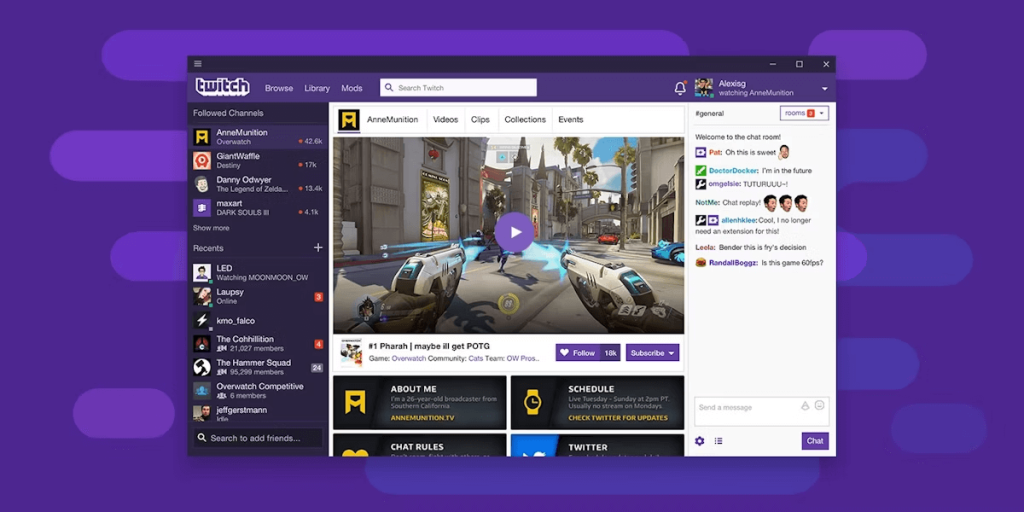
New streamers need a platform that is easy to learn, forgiving of mistakes, and capable of giving early visibility even without existing followers. Starting on a platform that is too complex or too saturated can discourage beginners before they find their style. A platform that supports newcomers with simple workflows, intuitive interfaces, and community-friendly features can help them grow faster, especially when determining the best streaming platform for new streamers at the very beginning.
- Twitch offers a beginner-friendly setup, allowing new creators to go live quickly using OBS, a console, or even a phone. Its interactive features like raids, chat activity, and extensions help small channels feel active even with low viewer counts.
- YouTube Live supports beginners through long-term growth, since livestreams remain searchable as VODs after the broadcast ends. This means new streamers can build views passively while learning. The platform also supports scheduled streams and thumbnails, helping beginners create more professional presentations.
- TikTok Live gives newcomers fast visibility, especially for casual, spontaneous, or mobile-first content. The algorithm prioritises new creators and can push streams to hundreds of viewers within minutes if the content aligns with trending interests.
- Kick provides a less crowded environment, allowing beginners to stand out in smaller categories. The platform is still growing, so early adopters sometimes benefit from being noticed faster than on large saturated platforms.
What’s the Best Streaming Platform for Gaming?
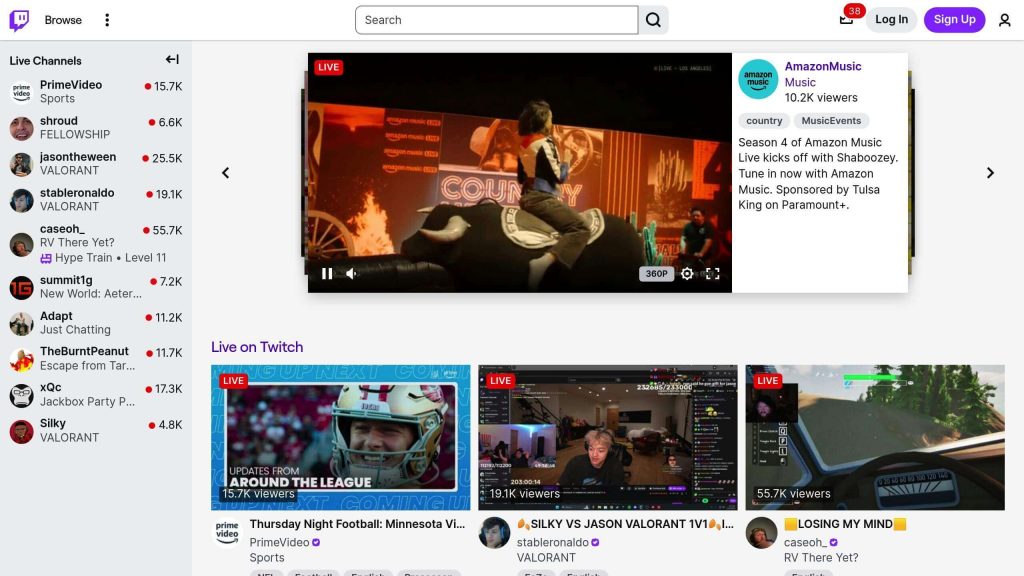
Gaming content requires platforms that prioritise interactivity, responsiveness, and category depth. Viewers expect consistent chat activity, smooth video quality, and strong community engagement. Gaming also benefits from discoverability within specific game categories, which is why many creators explore what’s the best streaming platform for gaming before committing to a long-term strategy.
- Twitch remains the center of gaming livestream culture, offering extensive category lists, strong chat tools, and community habits built around gaming. Features like channel points, raids, emotes, and overlays directly enhance gameplay streams.
- YouTube Live supports gaming through its high-quality encoding, making it ideal for visually demanding titles. Gamers who create both live and edited content can benefit from YouTube’s searchability, recommended videos, and ability to organize playlists and series.
- Kick is increasingly attracting gaming creators, especially those seeking better visibility and higher earning potential with fewer restrictions. The platform’s more relaxed policies appeal to gamers who want flexibility in streaming style.
- Facebook/Meta Gaming still has strong mobile-gaming communities, particularly for regions where games like PUBG Mobile, Free Fire, or Mobile Legends dominate. This can be beneficial for creators targeting specific global markets.
What Is the Highest Paying Streaming Platform?
Earning potential varies considerably depending on revenue structure, viewer behaviour, and the additional opportunities beyond livestreaming. Some platforms reward consistent streaming, while others offer long-lasting monetisation through VOD content, making it important to consider the highest paying streaming platform for your ideal workflow. Creators should think about how they want to earn, not just how much.
- YouTube Live offers the most diverse income options, combining ads, channel memberships, super chats, sponsorship visibility, and long-term VOD revenue. A stream can continue earning for months after it ends, making it ideal for creators building a library of content.
- Twitch provides well-established monetisation, including subscriptions, gifted subs, bits, ads, affiliate deals, and community-driven support. Streamers who cultivate dedicated audiences often earn most from viewer loyalty rather than ads alone.
- Kick is known for its high revenue share, making it appealing for subscription-heavy creators. It benefits streamers who have strong communities or those who want to monetise early without losing much to platform fees.
- TikTok Live monetisation relies on gifts and short bursts, which can be strong during viral moments but less consistent over time. It works well for creators with charismatic on-camera presence and high interaction rates.
2026 Revenue Comparison: What You Actually Earn Per Subscriber
Revenue split is the single biggest factor most guides gloss over. Here’s the current state as of early 2026:
| Platform | Sub Price | Creator Split | You Keep (per sub) | Minimum Payout | Eligibility |
|---|---|---|---|---|---|
| Twitch | $4.99 | 50% (affiliate) / 70% (top partner) | $2.50 – $3.50 | $50 | 50 followers, 500 min streamed, 7 unique days, 3 avg viewers |
| YouTube | $4.99 | 70% | $3.50 | $100 | 500 subs + 3K watch hours (or 3M Shorts views) |
| Kick | $4.99 | 95% | $4.74 | $25 | 75 followers, 5 hours streamed |
| TikTok Live | Gifts (variable) | ~50% of gift value | Varies | $50 | 1,000 followers, age 18+ |
The math is blunt: 100 subscribers on Kick earns you $474/month. The same 100 subs on Twitch (affiliate tier) earns $250. That’s nearly double the revenue for the same audience size. For small streamers, Kick’s revenue model is the most viable path to making streaming a part-time income.
Which Streaming Platform Has the Best User Interface?
A platform’s user interface affects how easy it is for creators to manage their streams and how smoothly viewers can find, watch, and interact with content. A great UI reduces friction, prevents mistakes during live sessions, and encourages viewers to stay longer, which often leads creators to compare which streaming platform has the best user interface for their needs.
- YouTube Live excels with its organised interface, offering strong analytics, customizable streaming settings, clear event scheduling, and straightforward VOD management. Its Studio interface gives creators deep insight into performance.
- Twitch focuses on a live-first interface, including emotes, chat extensions, channel points, interactive widgets, and community-driven overlays that help streamers enhance interactions. The UI is more complex but very powerful.
- Kick currently features a clean, minimalistic layout, making it easy for new creators to navigate without feeling overwhelmed. Its simplicity is a major part of its appeal.
- TikTok Live has the strongest mobile-first UI, where viewers can quickly swipe through content, join chats, send gifts, and interact without delays. It’s designed to maximise engagement with minimal effort.
Major Streaming Platforms Overview
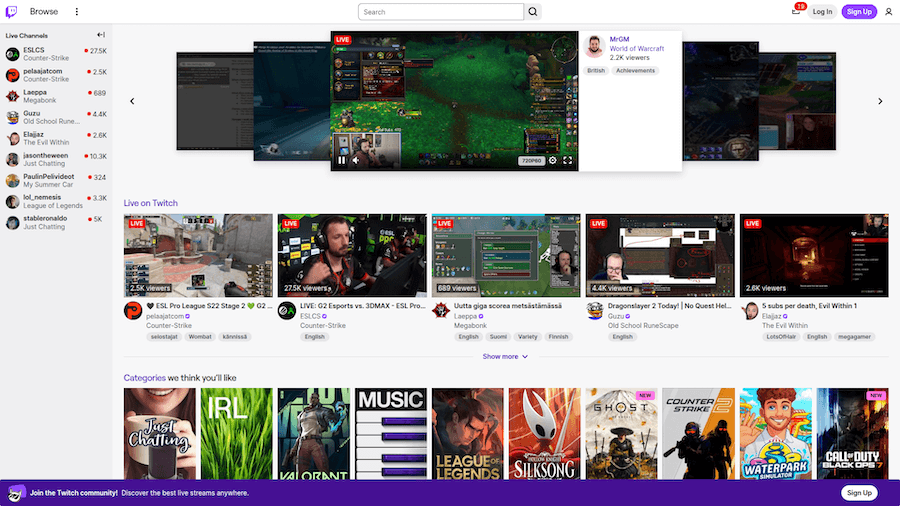
Every platform has unique strengths that affect how different creators grow. Understanding each one broadly helps clarify where your content naturally fits and what to expect from the platform’s ecosystem.
Twitch
A mature ecosystem built around livestreaming with a strong sense of community. It supports gamers, artists, musicians, and IRL creators, but high competition can make discovery more difficult.
YouTube Live
A platform that unifies live and VOD content, making it effective for creators who want both immediate engagement and long-term visibility. Its search engine and recommendation system give it a major advantage.
TikTok Live
Designed for short, energetic, and mobile-friendly content. It thrives on spontaneous engagement and rapid discovery, making it popular for lifestyle and casual creators.
Kick
A newer platform that appeals particularly to gaming streamers due to its generous revenue model and less crowded categories. Its growth is driven by creator-friendly policies.
Instagram and Facebook Live
These are strong for creators with established social followings, especially in lifestyle, travel, and personal-brand niches where short, informal streams work well.
Trovo Shutdown (June 2026): What It Means for Streamers
Tencent confirmed in early 2026 that Trovo will shut down permanently in June 2026. The platform never achieved the critical mass needed to sustain itself outside of a few regional markets, and creator payouts had been declining for over a year.
If you are currently streaming on Trovo, the migration path is clear: export your VODs and clip archive before the shutdown date, and redirect your audience to Kick or YouTube. Kick has been the most aggressive in onboarding displaced Trovo creators, offering signing bonuses for anyone with an established channel. YouTube is the safer long-term bet if your content has VOD replay value, since its algorithm promotes archived streams far better than any competitor.
The broader lesson: platform risk is real. If your entire streaming business depends on one company’s decisions, you are one boardroom meeting away from starting over. That is another argument for the multi-streaming approach described above, and for maintaining your own streaming infrastructure. When you run a 24/7 stream from your own server, you own the uptime regardless of what any single platform does.
Which Streaming Platform Fits Your Content Type?
Different types of content flourish when placed in environments that naturally support their style. Matching your niche to a platform’s strengths allows you to grow faster and connect more easily with your ideal audience.
- Gaming performs best on Twitch, YouTube Live, and Kick due to category depth and interactive features.
- Music, art, and educational content thrive on YouTube Live because viewers can rewatch and discover streams long after they end.
- IRL, lifestyle, and spontaneous content works well on TikTok Live or Instagram Live, where mobile viewers dominate.
- Mixed content creators benefit from YouTube Live or Twitch because they can use both live events and VODs to expand their reach.
- Niche or experimental creators do well on Kick or YouTube Live, depending on whether they prioritise monetisation or long-term discovery.
Should You Multistream Across Multiple Platforms?

Multistreaming gives creators access to several audiences at once and allows them to collect data on where they perform best. It is especially useful during early stages when gaining traction is more important than platform loyalty. However, it comes with additional challenges that creators need to manage carefully.
- Multistreaming expands reach, letting viewers discover you regardless of their preferred platform.
- It helps identify audience behaviour, showing where engagement is strongest and where retention is highest.
- However, chat fragmentation makes interaction harder, because conversations occur on separate platforms simultaneously.
- Moderation becomes more complex, requiring tools or multiple moderators to manage different chat environments.
- Platform restrictions may limit multistreaming, especially after reaching certain partnership or affiliate levels.
- It works best for testing, but most long-term creators eventually choose one main platform to build a unified community.
Discoverability: Where New Viewers Actually Come From
Revenue means nothing if nobody watches. Here’s how each platform’s algorithm treats new creators:
TikTok Live is the clear winner for organic discovery. TikTok’s algorithm pushes live content to users who’ve watched similar content, regardless of follower count. A 0-follower stream can get 50+ viewers within the first hour if the content matches trending interests. The downside: TikTok viewers are browsers, not subscribers. Conversion to loyal audience is lower than Twitch or YouTube.
YouTube Live benefits from search and suggested video algorithms. Your live streams become VODs that rank in Google search results — meaning a well-titled gaming stream can generate views for months or years after broadcast. No other platform offers this kind of long-tail discoverability.
Kick has a smaller but growing audience. Discoverability is improving with category browsing and recommendations, but you’re competing in a smaller pool. The advantage: less saturation means new streamers can actually show up on category pages.
Twitch is the hardest platform for new streamers. The directory system buries anyone with fewer than ~10 concurrent viewers under thousands of other streams. Twitch growth in 2026 is almost entirely driven by external traffic (social media clips, collaborations, raids) rather than platform discovery.
Multi-Streaming: The Strategy Most Guides Ignore
Why limit yourself to one platform? Multi-streaming — broadcasting to multiple platforms simultaneously — is the highest-ROI strategy for growing streamers. You do the same amount of work but reach 2-4x the potential audience.
The setup requires a streaming server or multi-stream tool. Your local PC sends one RTMP feed to the server, which rebroadcasts to each platform. Tools like Restream, OBS with multiple outputs, or a dedicated VPS running nginx-rtmp handle this cleanly.
The Twitch catch: Twitch Partners are contractually restricted from simulcasting (streaming to Twitch and another platform at the same time). Twitch Affiliates are not restricted — but check your agreement, as terms change. Kick, YouTube, and TikTok all allow simulcasting without restrictions.
Recommended multi-stream stack for new streamers: OBS → nginx-rtmp on a HostStage VPS → Kick + YouTube + TikTok simultaneously. Use our bitrate optimization guide to configure quality per platform since each has different ingest requirements.
Hardware and Bandwidth Requirements by Platform
Each platform has different maximum ingest settings. Pushing too high wastes bandwidth; too low and your stream looks amateur. Here are the sweet spots for 1080p streaming in 2026:
| Platform | Max Bitrate | Recommended Bitrate (1080p60) | Upload Speed Needed | Codec |
|---|---|---|---|---|
| Twitch | 8,500 Kbps | 6,000 Kbps | 10+ Mbps | H.264 / AV1 (enhanced) |
| YouTube Live | 51,000 Kbps | 6,000-9,000 Kbps | 12+ Mbps | H.264 / VP9 |
| Kick | 8,000 Kbps | 5,000-7,000 Kbps | 10+ Mbps | H.264 |
| TikTok Live | 4,000 Kbps | 2,500-4,000 Kbps | 8+ Mbps | H.264 |
If you’re multi-streaming, your total upload bandwidth needs scale: streaming to 3 platforms at 6,000 Kbps each requires a consistent 18+ Mbps upload — plus headroom for your game’s network traffic. This is where offloading to a streaming VPS with dedicated bandwidth makes sense. Your local PC handles encoding once, sends a single stream to the VPS, and the VPS rebroadcasts to all platforms over its 1 Gbps connection.
Conclusion
Choosing the right platform depends on a combination of your content type, growth strategy, technical setup, and the kind of community you want to build. Gaming-focused creators may thrive most on Twitch or Kick, while multipurpose creators often find the best long-term results on YouTube Live when evaluating the best platform to stream on for different purposes. Lifestyle or spontaneous content naturally fits TikTok Live or Instagram Live. Each platform has unique strengths, so the decision becomes clearer once you understand how your content aligns with the environment and what matters most for your creative goals.
Stream Better With HostStage
At HostStage, we provide streaming servers built for stability, consistent performance, and low-latency delivery, so your audience enjoys a smooth experience even during peak hours. We operate our own infrastructure and give you the flexibility to stream in high quality without worrying about network congestion or limited bandwidth. Whether you’re a new streamer or scaling toward a larger audience, we make sure your streaming setup stays reliable and responsive every time you go live. We recommend our Flux Pro Streaming VPS, which offers dedicated resources and high-throughput connectivity ideal for demanding livestreams. It gives you the processing power and network performance needed for uninterrupted broadcasting and a stable viewer experience.
Frequently Asked Questions
What is the best streaming platform in 2026?
Can I stream on Twitch and YouTube at the same time?
Is Kick better than Twitch?
Which streaming platform pays the most?
Do I need a VPS to stream on Twitch or YouTube?
What bitrate should I stream at in 2026?
Which streaming platform is best for small streamers in 2026?
How much bandwidth do I need to multi-stream to 3 platforms?
Does the streaming platform I choose affect my stream quality?
Which platform pays streamers the most per subscriber?