Remote Work Tips: How to Actually Thrive Working From Anywhere
Remote work removes many of the external structures that used to define a workday. There is no commute to signal a beginning or an end, no shared office rhythm, and no physical separation between professional and personal space. What often disappears along with those is clarity.
Most remote work struggles are not caused by a lack of discipline or motivation. They are caused by missing systems. When a structure is no longer imposed externally, it has to be rebuilt deliberately. Without that effort, focus erodes, boundaries blur, and energy drains faster than expected.
Remote work is not easier work. It is different work, and the most effective remote work tips focus on building systems that replace structure rather than relying on motivation alone.
Setting Up a Functional Remote Workspace
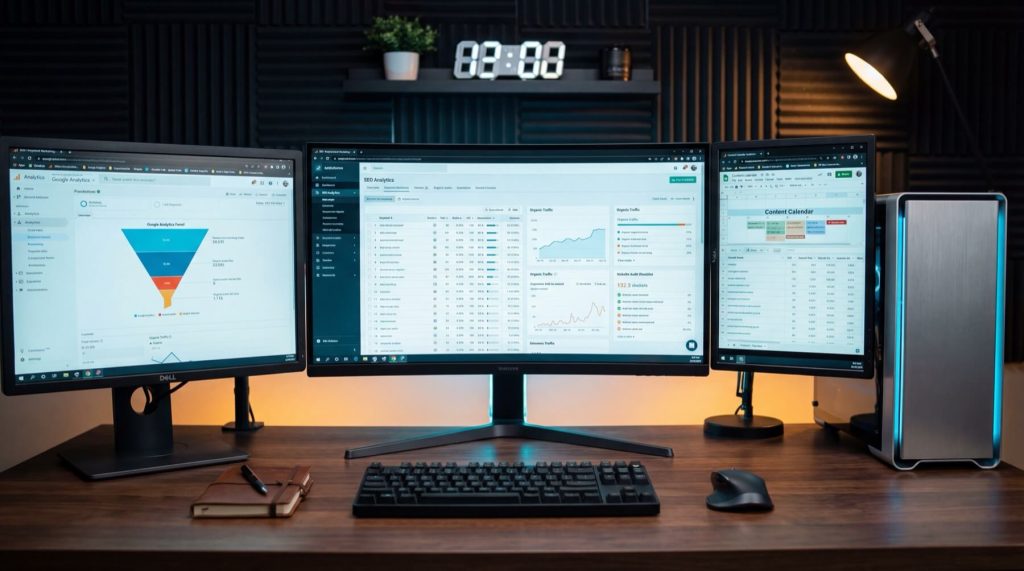
Your workspace directly affects how easily you can focus, how long you can sustain attention, and how well you can mentally disengage at the end of the day. Many practical remote work tips start here, because improving the physical environment often delivers faster and more sustainable gains than changing tools or workflows.When work happens everywhere, it never fully stops.
A functional workspace reduces friction and creates consistency, which is why many practical tips for remote working start with the environment before productivity tactics.
Dedicated work area
Having a specific place where work happens helps your brain enter work mode more quickly. Even a small desk or defined corner is enough if it is used consistently. When work spills into rest spaces, both focus and recovery suffer.
Physical comfort and ergonomics
Poor posture and uncomfortable seating quietly drain mental energy. Over time, this leads to reduced concentration and chronic fatigue. Ergonomics are about long-term sustainability, not luxury.
Lighting and visual conditions
Inadequate lighting increases eye strain and headaches, especially during long screen sessions. Natural light helps, but consistent artificial lighting is just as important. Visual comfort directly affects productivity.
Noise and distraction control
Constant background noise keeps the nervous system slightly stressed, even if you feel used to it. Reducing noise improves focus and lowers cognitive load. This matters especially for deep or analytical work.
Clear separation from rest spaces
When the brain associates the same space with work and relaxation, it struggles to fully switch off. Clear separation improves sleep quality and overall recovery.
The goal is not a perfect setup. It is an environment that reliably supports focused work without draining you. These kinds of tips for remote working tend to be overlooked, but they often have the biggest long-term impact on focus and well-being.
Time Management and Structuring the Workday
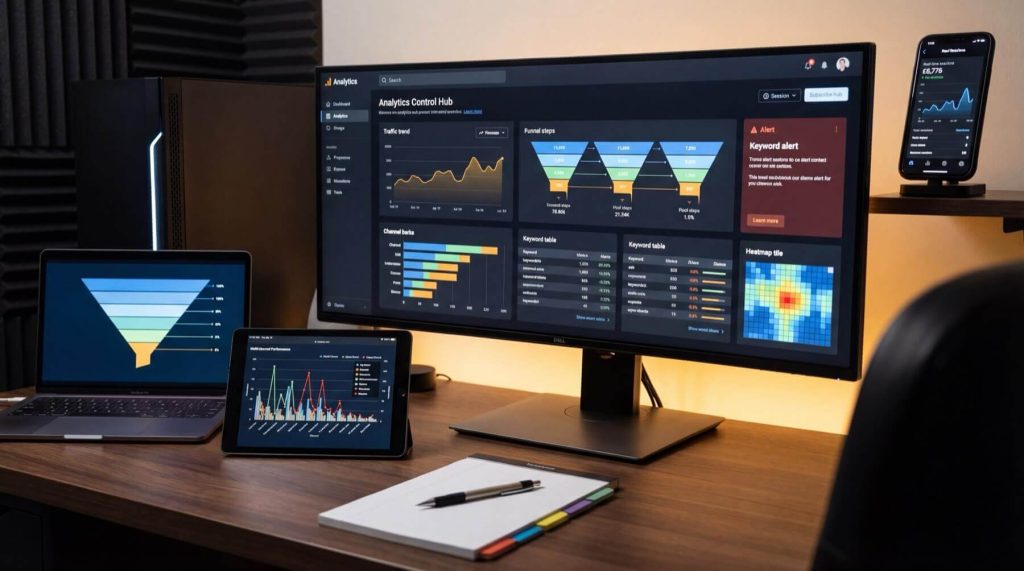
Remote work removes the natural rhythm provided by office hours and commuting. Without replacing that rhythm, days become reactive or stretch endlessly into personal time.
Structure is not about rigidity. It is about protecting attention and energy, which is why many effective tips on working remotely emphasize routines over flexibility alone.
- Consistent start time: Beginning work at roughly the same time each day reduces decision fatigue and helps regulate energy levels. Flexibility works better when anchored to a routine rather than chaos.
- Intentional work blocks: Grouping similar tasks together reduces context switching and mental overhead. This allows for deeper focus and more efficient use of time. Random task hopping erodes productivity quickly.
- Defined end of day: Without a clear stopping point, work expands into every available hour. This leads to longer days without better results. Ending work deliberately protects both output and well-being.
- Planned breaks: Breaks are part of productive work, not a reward for finishing it. Regular pauses help maintain focus and prevent burnout. Skipping breaks usually backfires later.
- Realistic pacing: Sustained peak productivity is a myth. Planning demanding tasks around natural energy highs leads to better outcomes and less exhaustion.
Structure turns flexibility into an advantage instead of a liability. This is one of the most overlooked tips on working remotely, especially for people transitioning from office-based roles.
Communication Without Burnout
Remote teams often overcommunicate to compensate for distance. While well intentioned, this usually results in constant interruptions and shallow attention.
Effective communication reduces cognitive load instead of adding to it.
Clear channel usage
Different types of communication belong in different tools. Using the wrong channel creates noise and confusion. Channel discipline keeps information accessible and relevant.
Explicit response expectations
When response times are unclear, people feel pressure to always be available. Clear expectations reduce anxiety and improve focus. Most messages are not truly urgent.
Intentional meetings
Meetings should exist to make decisions or resolve complexity. Status updates and simple coordination rarely justify interrupting focused work. Fewer meetings often lead to better collaboration.
Complete, contextual messages
Messages without context create follow-up questions and interruptions. Providing sufficient information upfront saves time for everyone involved. This is especially important in async communication.
Communication should support work, not compete with it.
Staying Productive Without Micromanagement
Remote productivity is measured by outcomes, not visibility. When presence is treated as performance, people either disengage or burn out trying to appear busy.
Sustainable productivity relies on trust and clarity.
- Outcome-focused goals: Clear goals define what success actually looks like. This gives people autonomy in how they work. Output matters more than activity.
- Visible progress: Seeing progress builds motivation and direction. It also reduces the need for constant check-ins. Simple tracking systems are usually enough.
- Self-accountability systems: Remote work requires personal responsibility, but not self-punishment. Lightweight systems help maintain momentum without pressure. Consistency matters more than intensity.
- Minimal, purposeful tooling: Too many tools create friction and confusion. Each tool should have a clear role. If it doesn’t improve clarity or efficiency, it likely isn’t needed.
Trust scales better than control, especially in remote environments.
Work-Life Boundaries When Home Is the Office
When work and home share the same space, boundaries do not form automatically. Without deliberate effort, work slowly leaks into everything.
Boundaries protect both productivity and recovery.
- Clear shutdown ritual: Ending the workday intentionally signals the brain to disengage. Closing work apps or leaving the workspace helps prevent mental spillover.
- Defined availability: Being always reachable is not the same as being reliable. Clear availability reduces interruptions and resentment. Boundaries make collaboration healthier.
- Protected non-work time: Personal time needs active protection. Without it, rest becomes optional and recovery suffers. Sustainable work depends on real downtime.
- Saying no early: Small boundary violations accumulate over time. Saying no early prevents burnout later. Boundaries are easier to maintain than to repair.
Mental Health, Isolation, and Motivation

Remote work can feel quieter than expected. Fewer casual interactions mean fewer natural emotional checkpoints, making stress and burnout harder to notice.
Motivation naturally fluctuates, especially without external feedback. This does not mean something is wrong. It means remote work requires more intentional self-awareness. Regular human connection, even brief and informal, helps counter isolation. Long-term exhaustion, irritability, or detachment are signals worth taking seriously, not pushing through.
Remote work is sustainable only when mental health is treated as foundational, not optional.
Career Growth and Visibility as a Remote Worker
Remote work changes how visibility works, not whether it matters, and this shift reflects broader trends in remote work around autonomy and outcome-based evaluation. Good work does not automatically get noticed when you are out of sight.
Career growth still depends on relationships, trust, and perceived impact. Remote workers often need to communicate outcomes more explicitly, not to self-promote, but to provide context. Visibility is about making contributions legible, not louder.
Being intentional about this prevents remote workers from becoming invisible despite strong performance.
Common Remote Work Mistakes to Avoid
Some remote work failures are subtle and accumulate slowly.
- Working longer instead of smarter: Longer hours rarely translate into better results. They usually indicate missing structure.
- Treating every message as urgent: Constant interruptions destroy focus and increase stress. Most communication can wait.
- Ignoring physical setup: Discomfort compounds over time and quietly reduces productivity.
- Overloading tools and systems: Too many tools create friction instead of clarity. Simplicity scales better.
Avoiding these mistakes does more for sustainability than any productivity hack.
Conclusion
Remote work is not a shortcut to an easier life, and the most useful remote work tips are the ones that help make it sustainable rather than simply productive. It is a different operating model that rewards clarity, structure, and self-awareness. When designed intentionally, it offers focus, autonomy, and balance, aligning closely with current trends in remote work that prioritize sustainability over constant availability. When neglected, it quietly drains energy and motivation.
Remote work is a skill, and like any skill, it improves with deliberate practice and the consistent application of proven remote work tips over time.
Stable Hosting for Remote-First Professionals
Remote work often goes hand in hand with building something online, whether that’s a personal site, client projects, or a growing business. That work needs hosting you don’t have to constantly think about. HostStage provides reliable, performance-focused hosting built around stability, security, and ease of management, making it a solid fit for remote professionals who value predictable infrastructure.
For freelancers, consultants, and small teams, the Internet Marketing shared hosting plan is a strong choice. It offers optimized performance, cPanel management, built-in security features, and enough resources to support business websites without unnecessary complexity. With HostStage handling the technical foundation, you can focus on your work instead of worrying about uptime or maintenance.